

Why is purple the most expensive colour in history? What did Cleopatra use to paint her eyes? Discover in this post 7 curious facts about make-up and surprise yourself with your knowledge.
Everyone, for better or worse, is familiar with make-up in some form or another. Perhaps it just so happens that it is your area of expertise. expertiseBut you may also have no idea how to use mascara.
Whatever your level, the truth is that make-up has been with us a lot longer than you think. In fact, the earliest known civilisations already used all kinds of ingredients to cover defects and enhance virtues..
Because yes, make-up has always been related to beauty in one way or another, and you will have experienced that you will meet people who use this tool as a hallmark of their identity..
But have you ever wondered what make-up was like in the old days? What connotations did make-up have in times gone by?
Read on, we're going to tell you 7 makeup trivia that you're sure to love to show off in any chat with your friends.
Let's get pretty!
1. The magical effects of make-up
You've heard more than once about the elixir of life or the fountain of eternal youth, right? Well, you should know that one of the elements that has caused the most excitement in this area is lipstick..
How so? It turns out that lipstick, during the reign of Elizabeth I in England, was an item that was considered a "life saver".
As you read it! In the Elizabethan period, it was believed that putting on lipstick had mystical powers., it cured you of any illness and could even prevent you from dying.. For example, Queen Elizabeth I herself wore more than a centimetre of lipstick when he passed away.
2. The Church did not agree with the make-up

I don't think this statement comes as much of a surprise, but still, there is a reason for everything.
This association we have mentioned with the supposed "magical powers of lipstick" was not something the Church looked favourably upon. In fact, considered that if women wore any kind of make-up they were unforgivable sinners..
What's more, it could be considered witchcraft! Many religious paintings associated female demons with lips as red as lipstick, which was linked to lust and debauchery.. Any woman who even thought of entering a church with painted lips was automatically accused of trying to "trick the men". It was better to abstain.
3. Cave paintings?
Indeed, make-up and cave paintings have almost the same birthday.
But there is a slight nuance: make-up did not have fully beautifying origins. For example, before a battle or during a religious ritual, both men and women painted their faces.
The purpose? To intimidate your enemies or feel closer to the gods.. We could say that it was a first step towards what we know today as "make-up artistry".
4. Colours matter
And a lot of it! In make-up it is very similar to the case of clothes: depending on the desired shade, so will be its price..
Have you ever noticed that purple is much more expensive than red or tan? The reason is simple: reddish and brownish tones are the easiest to find in nature. However, blues and purple shades are more expensive and more difficult to obtain.
Blue has become cheaper over time, starting with its extraction from various ores. However, purple remains one of the most expensive in the worldis extracted from a mollusc!
That is why, especially in Western culture, the colour purple has always been associated with royalty. It was so rare that only the most powerful could afford it.
5. The Egyptians and make-up
If the Egyptians were pioneers in anything, aside from using aloe vera to care for your skinwas to use make-up to enhance her beauty.
We all know those iconic images of pharaohs and queens with long black stripes on their eyes and shades of different colours. (predominantly green). The Egyptian people were very vain and gave special importance to aesthetics, skin care and personal image.
In their make-up, they used iron oxide to achieve reddish tones and for that characteristic black colour in their eyes used crushed flies, ant eggs, fish scales and crushed beetles.which also served as an insect repellent. Nice, isn't it?
6. Mesopotamia and China were also not far behind.
Both ancient civilisations held cosmetic products in high esteem. If in Greece and Rome they already used elements such as plaster to smooth the skin, Mesopotamians and Chinese were also on board the trend.
The Mesopotamians opted to use pulverised stones and minerals. to get the necessary pigments and the colours they wanted at the time (they were also crushing precious stones!) and Chinese aristocratic women already painted their nails red to mark their status..
The downside is that they could use toxic materials such as mercury, which could be deadly.
7. The famous "Victory Red".
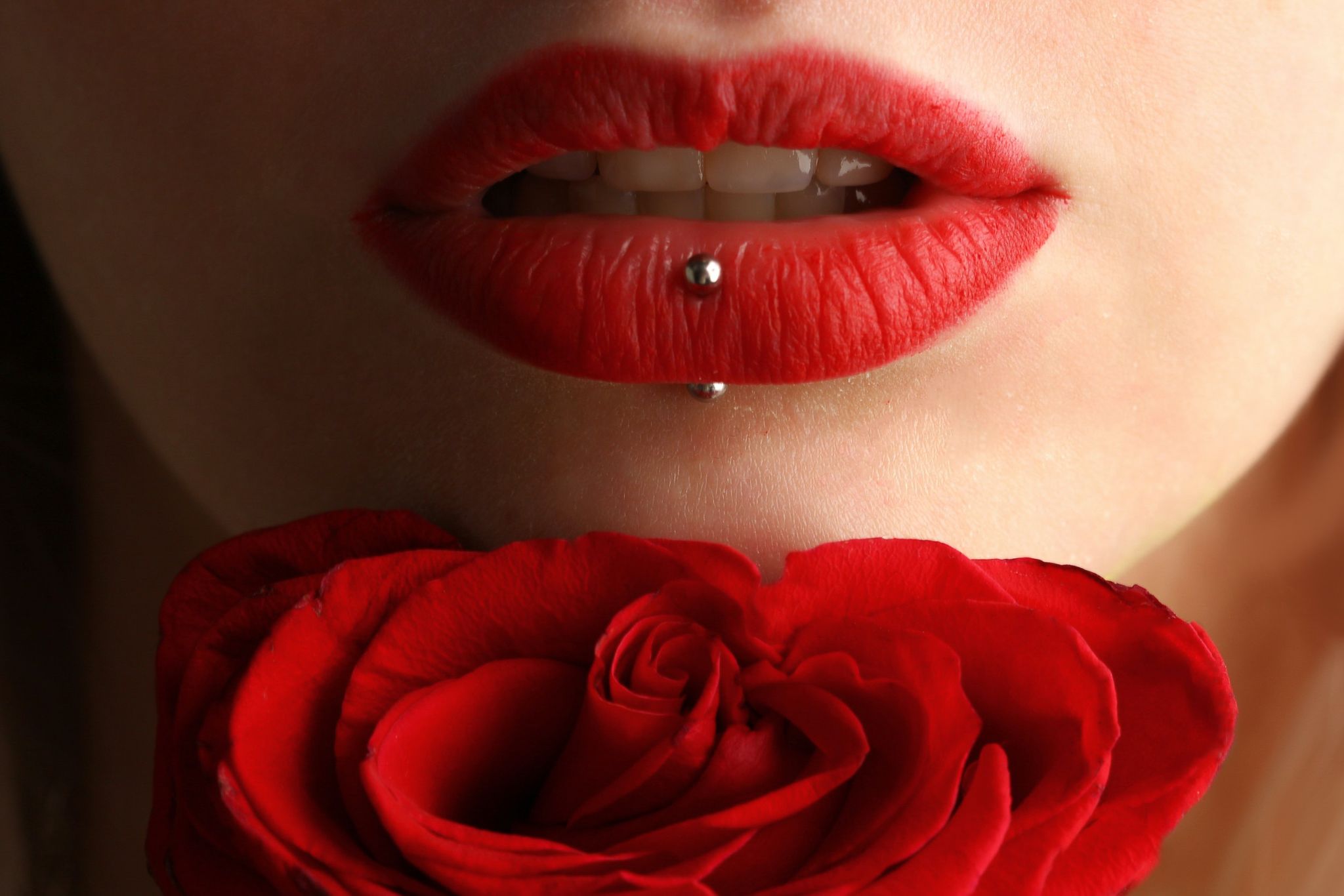
Red has always been associated with power, passion and especially female empowerment. The story of how this colour went from being forbidden to being one of the emblematic colours for women is undoubtedly worthy of a book and we will discuss it in another post.
It should be noted that It all started because of the Second World War and Hitler's hatred for the red lipstick. So much so that wearing it began to be seen as a sign of rebellion by the Allies, and in the United States it became the norm of etiquette. Red lipstick was mandatory for any woman serving in the US military..
And, of course, brands were quick to take advantage of this, including Miss Arden and her ".Victory Red", or "Victory Red"..
Did you like our fun facts about make-up? Remember that at Sam Parfums we have all kinds of make-up products: foundations, eye shadows, lipsticks, etc., from famous brands such as Lancome, Shisheido o Clarins.
Discover our catalogue in our Sam Parfums websiteand take advantage of our offers!