

The skin, the largest organ of the human body, not only protects us from the external environment, but also is a reflection of our internal healthincluding the complex hormonal balance. Hormonal changes, whether natural throughout life or caused by medical conditions, can have profound and visible effects on the skin. These changes can affect the skin's texture, colour, elasticity, and overall ability to regenerate and stay healthy.
Hormonal changes are often most evident during certain critical periods such as puberty, pregnancy and menopausebut they can also be influenced by factors such as stress, diet and certain medications. In this article we will look at how fluctuations in estrogen, progesterone, testosterone and cortisol can affect the skin, leading to common conditions such as hormonal acnedermatitis, and changes in skin texture and colour.
The 4 hormones that most affect your skin
Hormones are chemical messengers that play crucial roles in regulating numerous bodily functions, including the health of our skin.
Different hormones have different impacts, some beneficial and some harmful, depending on their level and balance in the body. To give you a little more insight into what an imbalance in hormone levels can lead toWe are going to tell you what the 4 main hormones are. that affect your skin and how they do it:
Oestrogens
Oestrogens are known for their beneficial effects on the skin. They increase collagen production and hyaluronic acid, providing firmness, elasticity and adequate moisturisation.
During menopause, a decrease in oestrogen levels can lead to a loss of firmness and increased dryness in the skin. At optimal levels, oestrogen also helps to keep skin smooth and wrinkle-resistant.
Progesterone
Progesterone, another important hormone, has a mixed effect on the skin. On the one hand, contributes to elasticity and keeps the skin soft and nourished.
However, high levels of progesterone may contribute to acne and oily skinespecially evident during the menstrual cycle and pregnancy, when progesterone peaks.
Testosterone
Although it is known as a male hormone, Testosterone is also present in women. and has significant effects on the skin. High levels of testosterone can increase sebum production, which can lead to clogged pores and acne breakouts.
In men, a decrease in testosterone with age can cause the skin to become thinner and lose its vigour.
Cortisol: the stress hormone
Cortisol, often referred to as the "stress hormone", can have devastating effects on the skin when it is elevated for prolonged periods of time. Chronic stress and, therefore, high cortisol levels, can decrease the skin's ability to retain waterleading to dryness and premature ageing. In addition, cortisol can decrease collagen synthesis, which contributes to loss of elasticity and the appearance of wrinkles.
The most common hormone-related skin problems
Hormonal changes can manifest themselves in a variety of ways on the skin, some of which can be challenging and significantly affect quality of life.
What are these changes? We see them right now::
Hormonal acne: is there a solution?
Hormonal acne is perhaps one of the most prevalent skin problems linked to hormonal changes.
It occurs when hormonal fluctuations, especially an increase in androgens such as testosterone, lead to a increased sebum production. This can result in clogged pores and, ultimately, acne breakouts.
Acne is common during the pubertybut it can also affect adults, especially women in their twenties, thirties and during menopause. Treatment often includes hormonal therapies, such as oral contraceptives, and skin care regimens that reduce oil production and encourage cell renewal.
Recommendations for reducing hormonal acne
- Use non-comedogenic products, i.e. that they do not clog pores. Many low-quality creams have this effect, which can be devastating for acne-prone skin.
- Prioritise moisturisers with special oilsJojoba oil, tea tree oil or even the aloe vera are very interesting components to alleviate the effects of acne and purify the skin.
- Follow a facial routine based on products adapted to your skin.Don't just buy the first cream or treatment you see, study the ingredients and make sure they are suitable for acne-prone skin.
- Don't shy away from hydrationDespite the rumour that acne-prone skin does not need moisturising, the opposite is true. Excess sebum does not moisturise, it is an adverse effect of the skin that is caused by unevenness of your PH.
Dermatitis
Dermatitis, which includes various forms of eczema, can be exacerbated by hormonal imbalances.
For example, changes in oestrogen and progesterone levels may influence skin reactivity and skin inflammationresulting in outbreaks of dermatitis. Management of this condition may require dietary and lifestyle adjustments, in addition to the use of topical steroid or non-steroid creams to control inflammation and irritation.
How to reduce hormonal imbalance dermatitis?
- Use mild cleansers and avoid products containing alcohol or fragrances that may irritate the skin.
- Opt for moisturisers to help maintain the skin barrier without clogging pores (remember, non-comedogenic).
- Elements such as the hyaluronic acid and the glycerineThe moisturising ingredients, which promote hydration, will be very good allies for your skin.
Changes in skin texture and colour due to hormones
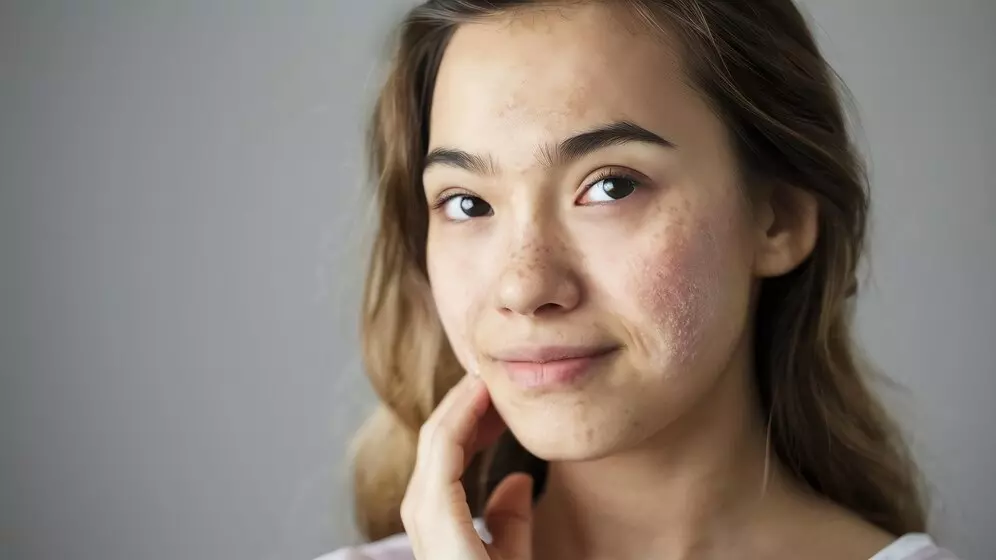
Hormonal changes can also alter skin texture and colour. During pregnancy, for example, the increase in certain hormones can cause the skin's mask of pregnancy' or melasmawhich is characterised by dark patches on the face. Skin texture may also become thicker or thinner depending on hormonal fluctuations.
What to do if your skin looks dull due to hormones?
- Perform gentle exfoliations can help remove dead skin cells, which often contribute to a dull appearance. Do not use exfoliating scrubs aggressive, opt for those that can be used on a daily basis.
- The FACIAL MASKS can give you an extra glow with very good results. Use facial masks containing revitalising ingredients such as clay, activated charcoal, or fruit extracts can help to deeply cleanse and revitalise the skin.
- Include in your routine products with vitamins such as vitamin C and vitamin Ewhich are potent antioxidants. Vitamin C can help brighten skin tone and promote collagen production, while vitamin E protects against oxidative damage.
Loss of elasticity and firmness
The decrease in oestrogen levels, especially evident during the menopause, can lead to a loss of collagen and, as a result, a decrease in skin firmness and elasticity. This can lead to the formation of fine lines and wrinkles. Hormone replacement therapies, along with topical treatments that promote collagen regeneration, such as retinoids and peptides, can be effective in combating these signs of ageing.
If you lose elasticity and firmness due to hormones, you can:
- Use retinoid creamsRetinoids are derivatives of vitamin A and are known for their ability to stimulate collagen production and promote cell renewal. This can help improve skin firmness and texture. These retinol creams should be used at night and it is essential to apply sunscreen during the day, as retinoids can increase sensitivity to the sun.
- Hyaluronic acidThis ingredient is excellent for improving hydration and can help plump the skin, reducing the appearance of sagging.
- Vitamins such as C and E are potent antioxidants that also help skin suffering from this condition. They protect the skin from damage caused by free radicals, which can degrade collagen and elastin. Vitamin C can also stimulate collagen production.
As you can see, understanding the impact of hormonal changes on the skin is crucial, as these can vary greatly from person to person. At Sam Parfums, we are committed to being your partner in your skincare journey. We offer an extensive range of cosmetics, perfumery and make-up products that help balance and revitalise skin affected by hormonal changes. By understanding how hormones affect our skin and equipping ourselves with the right products from the best brands, you'll see it in the results.
Take care of your skin with Sam Parfums!